AI that ships in weeks. And keeps working after launch.
We build agents, LLM applications and workflow automation. A prototype on your data by the end of week one, small projects live in one to two weeks, larger builds in short phases. Then we stay on and run it. Fifty products in five years taught us where software breaks once users arrive, so we build for that from the start.
Most clients arrive with one workflow that eats staff hours, or one product that needs a model inside it. This is the work we take on.
AI Agents & Automation
Agents that do a job inside the tools you already use: read the inbound ticket, pull the record from the CRM, draft the reply, and queue anything ambiguous for a person. We scope the first agent to one workflow with a baseline you can measure, then widen it once it holds.
LLM Applications & RAG
Assistants that answer from your documents and databases, with citations. Before we call retrieval done we build an evaluation set from your users' actual questions and score the system against it, so you see the failure rate before your customers do. We own the pipeline, vector store and serving too.
AI Integration into Existing Products
Put a model behind one feature of software you already run: document extraction, semantic search, summaries where your users already look. We work in your codebase, ship behind a feature flag, and leave your existing tests green.
Custom AI Products
Web and mobile products with a model at the core. We have shipped fifty products without AI and the discipline is the same: design it, build it, test it, run it. The model is one more component, and it gets an evaluation set and a cost ceiling like everything else.
A good fit
An operating business with a workflow that burns staff hours every week
A product with users that needs a model inside it
A team that will give us access to its data and a baseline to beat
An existing codebase you want extended, not replaced
Not a good fit
A chatbot for a marketing site
Training a foundation model from scratch
A prototype for a pitch deck with no data behind it
Projects where nobody on your side owns the outcome
How we work
Prototype in week one. Production a few weeks later.
Small projects ship in one to two weeks. Larger builds run in short phases, and every step ends with something you can inspect: a scoped backlog, a prototype scored on your data, a system running in production. Pilots are fixed-price. Later phases are quoted once we know the shape of the work.
1Days 1 to 3
Discover
A few days, not a month. We map the workflow and the data behind it, make the build-versus-buy call, and scope the first thing to build.
Prioritized backlog with one pilot scoped
Data and systems audit
Success metric and baseline, in writing
2End of week 1
Prototype
By the end of the first week you have a prototype running on your data, scored against the baseline. You decide with numbers, and if the numbers are bad we say so.
Working prototype on your data
Evaluation set and quality scores
Cost and latency per request
3Weeks 2 to 4
Ship
Small projects go live here. Larger ones get hardened in phases: evals in CI, access control, retries, cost ceilings, and a dashboard that shows when quality drops.
Production deployment and integrations
Evals in CI and quality monitoring
Documentation and handover
4Ongoing
Operate
Models get deprecated and prices change. When a better model ships we re-run the evals and switch only if the scores say so.
Monitoring and incident response
Model and prompt upgrades, eval-gated
Quarterly improvement review
About us
Five years of shipping software. Now pointed at AI.
DevKiosk is a product engineering team in Lahore and Chicago. We have shipped 50 products for 45 clients, and we now build AI systems with the habits that work taught us.
Many of the agencies selling AI today were founded after ChatGPT and have never kept a system alive past its launch week. We spent five years building and maintaining web and mobile products for startups and operating businesses before language models were reliable enough to put in front of customers. So we design agents and retrieval systems the way we design anything that runs in production: retries, idempotency, cost ceilings, access control, and an evaluation set in place before the first user sees it. We pick the model per task, and we are happy to be wrong about which one when the evals show it.
Evaluation set before the first user
Model chosen per task: Claude, OpenAI, Gemini, open weights
Least-privilege access and cost ceilings on every build
Fixed-price pilots
0+
Products shipped
0+
Clients served
0+
Years in business
AI stack we work with
ClaudeOpenAIGeminiLangGraphVercel AI SDKPythonpgvectorn8nNext.jsTypeScriptNode.jsFlutter
Engineering in Lahore, client work in Chicago, clients worldwide.
Selected work
Selected builds
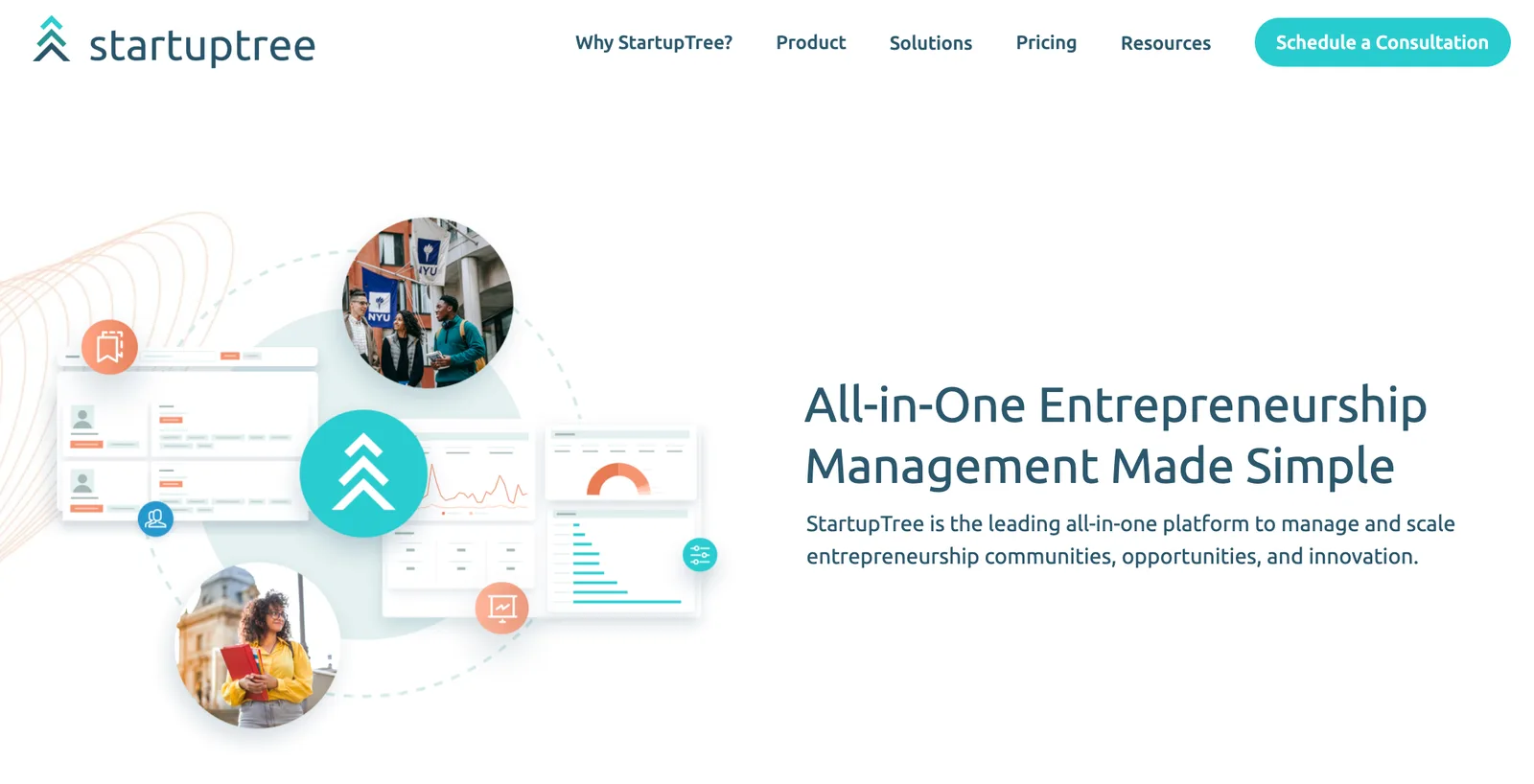
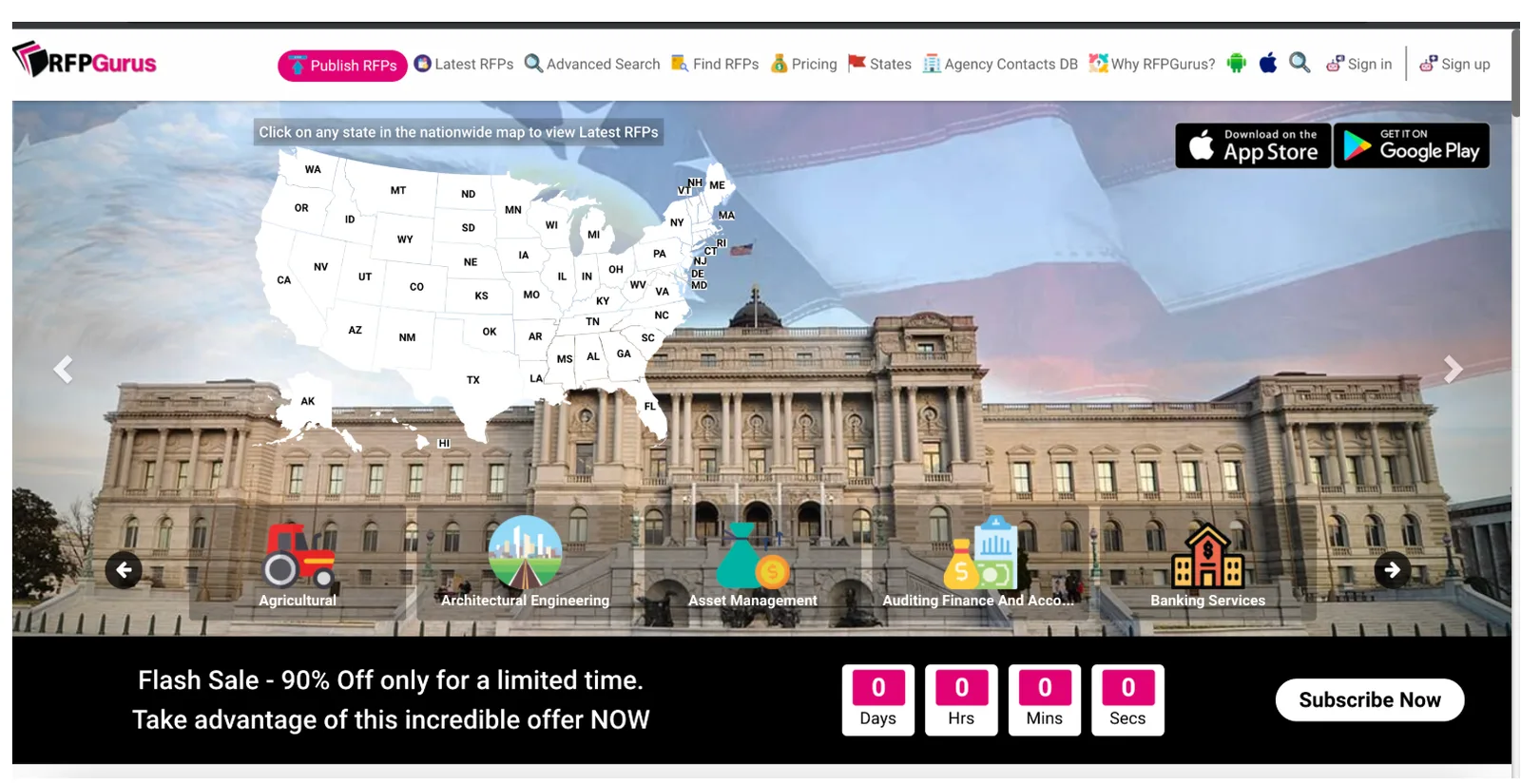
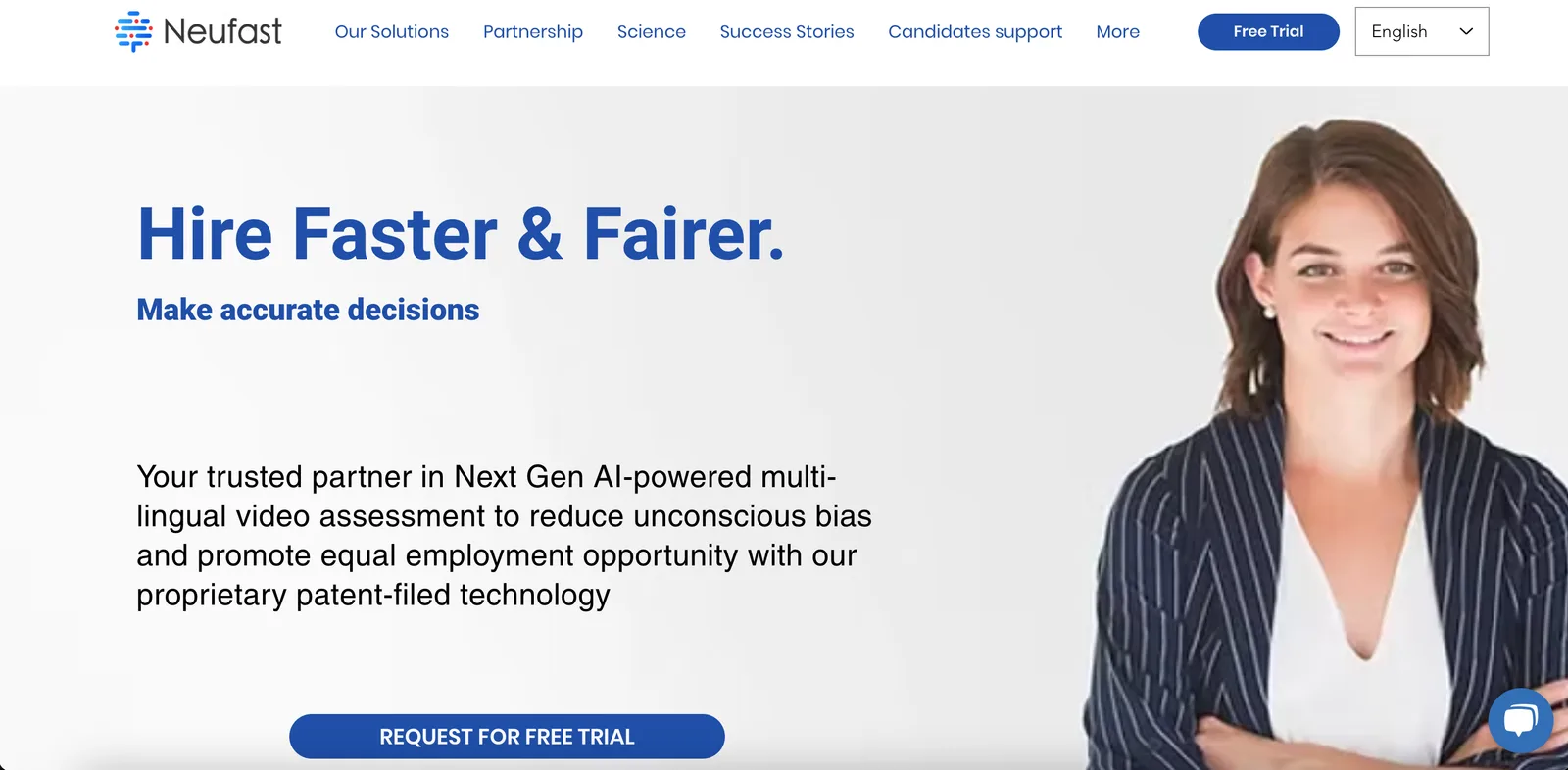
Three products from the last five years. Neufast is the AI one. The other two are the kind of production web and mobile work we bring to every AI project.
AIWeb
AI interview and assessment platform
Neufast assesses candidates through structured video interviews scored by AI. We built the web application that hiring teams use to run interviews and review results.
StartupTree helps universities and accelerators manage entrepreneurship communities, opportunities and programs. We designed and built the web experience.
RFP Gurus helps teams manage the request-for-proposal process from intake to submission. We delivered the web and mobile apps that keep every bid on track.
Client feedback from past projects, quoted as written and attributed by role.
“Gets the job done well. We have enjoyed working with the team.”
Startup founder
“Excellent work - truly talented, timely and a kind team to work with.”
Product lead
“Great team. Communicates well and offers advice on best practices to make your project better. Very knowledgeable.”
Engineering manager
“A solid team that thinks through the issues that may arise. They offer meaningful suggestions to help provide a more thorough application and complete work on time.”
Technical founder
FAQ
The questions every CTO asks us on the first call
If yours is not here, put it in the contact form and we will answer it directly.
Which AI models do you work with?
Whichever one scores best on your evaluation set at a price you can live with. In practice that means Claude, OpenAI or Gemini for most work and an open-weight model when the data cannot leave your infrastructure. Because every build ships with an eval set, switching later is an afternoon of re-running scores, not a rewrite.
Will our data be used to train models?
No. The paid APIs from Anthropic, OpenAI and Google do not train on your requests by default, and we confirm the terms on your account before the first call. For sensitive data we deploy inside your cloud account or on an open-weight model you host. If we ever recommend fine-tuning, which is rarer than people expect, it runs on infrastructure you control.
How long does a first project take?
Small integrations and single-workflow agents ship in one to two weeks. A typical pilot takes three to four: a few days of discovery, a prototype running on your data by the end of week one, then hardening for production. Larger products run in short phases, and we tell you after discovery whether yours is a two-week build or a phased one.
How do you price work?
Pilots are fixed-price. We agree the scope and the success metric in writing and the number does not move. After a pilot we quote each production phase on its own, or you put us on a monthly retainer that covers build and operations. Model and hosting costs are reported separately so you always know what the system costs to run.
Can you work with our existing stack?
Yes, and most of our work is exactly that. CRMs, ticketing tools, internal databases, a Rails or Django app that has been running for years. We integrate through APIs and keep changes to your codebase small enough to review in one sitting.
Do you provide support after launch?
Yes. The Operate retainer covers monitoring, incident response, model and prompt upgrades gated by your evals, and a quarterly review of what to improve next. If you would rather take it in-house, the handover includes documentation and working sessions with your engineers until they are comfortable.
Contact
Tell us the job you want done. Let's talk.
Describe the workflow or product, roughly how many people or records it touches, and what you have already tried. We reply within one business day.